The Swiss Robobarista is often compared to a vending machine. Here is the real difference in menu, quality, and business model.
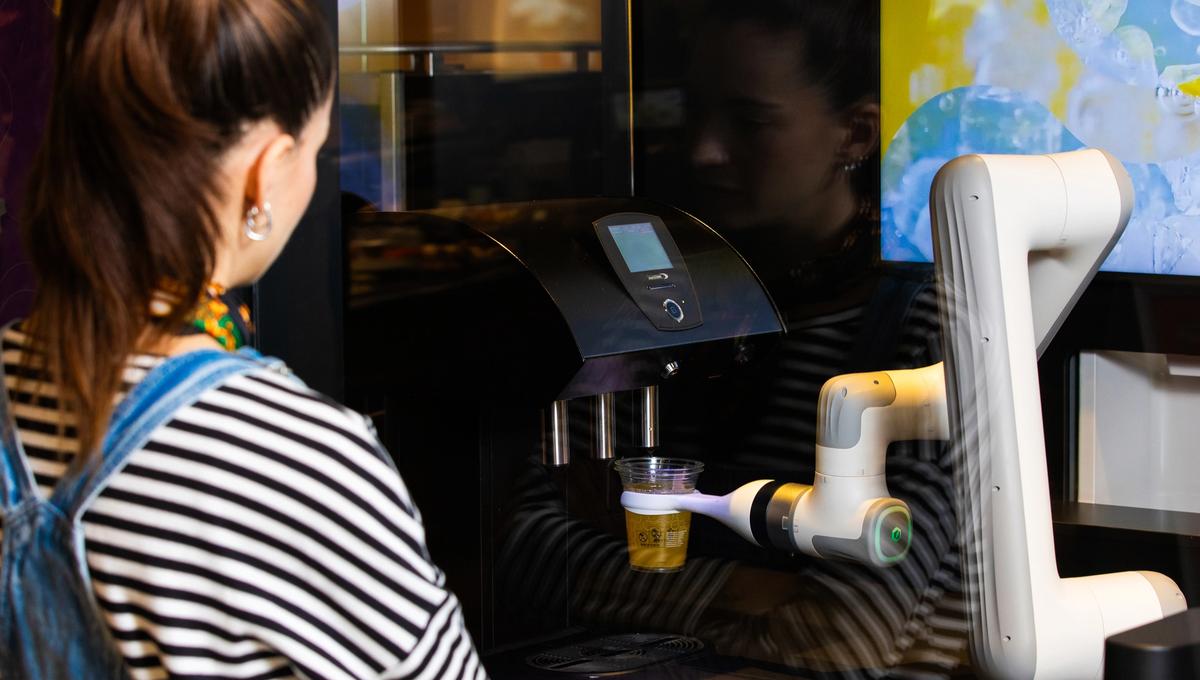
Ask a facility manager what an unattended beverage station is, and most people picture a vending machine: a shelf of pre-made items behind a payment screen. That comparison is understandable and, for the Swiss Robobarista, mostly wrong.
What a Vending Machine Actually Sells
A traditional vending machine sells inventory that already exists. Cans, snacks, pre-bottled drinks, sometimes a single style of drip coffee. The machine's job is dispensing and payment, not preparation. Even the newest wave of smart vending machines, now a market approaching 12 billion dollars globally according to Persistence Market Research, is mostly adding AI-based inventory tracking and cashless payment to that same basic model: sell what is already sitting on the shelf.
What the Swiss Robobarista Actually Does The Robobarista prepares the drink at the moment someone orders it. Espresso and coffee drinks are made using Eversys barista-grade technology with fresh milk, not concentrate or pods. A robotic arm handles the steps a barista would otherwise do by hand: pulling the shot, texturing the milk, building layered drinks, and moving between recipes as different orders come in. The same machine also prepares iced teas, vitamin drinks, and craft sodas, drawing from a single footprint of about 4 square meters.
Nothing sits pre-made on a shelf. Nothing goes stale waiting for the next customer.
Why the Distinction Matters Commercially The difference is not just semantic. A vending contract is typically a snack or drink resale decision, priced and negotiated like retail inventory. A Robobarista placement is a beverage program decision, closer in commercial logic to bringing in a small cafe than restocking a machine.
That changes what a property or facility decision-maker should evaluate. Instead of asking how many units a space can hold, the more useful questions become: what is the guest experience of ordering a fresh drink here, what does the menu range let us offer across the day, and does the margin on a made-to-order espresso or craft soda look more like cafe economics than vending economics.
Certification and Quality Standards Because the Robobarista prepares food and beverage rather than simply dispensing packaged goods, it operates under CE certification in Europe and NAMA and FDA standards in the United States, the same category of food safety oversight a staffed cafe would expect, not the lighter requirements that apply to a shelf of sealed products.
The Practical Test The easiest way to settle the comparison is to taste it. A shot pulled to order, milk textured on the spot, and a menu that runs from a 7am espresso to a 3pm craft soda is a different proposition than a can dropping into a tray.
If you have been evaluating us against a vending machine line item, we would rather show you the drink menu and let you judge for yourself. Get in touch to arrange a tasting.